17. 11. 26

Turning Swiss Pine into Spine-Chilling Art

When the first snow dusts the peaks of the Dolomites and the days grow noticeably shorter, a very special atmosphere hangs in the air. It is the time of the Rauhnächte (the mystical Twelve Nights of Christmas), of ancient legends, and of a tradition as rugged and untamed as the rock faces themselves: the time of the Krampus.
David Puner: Where Silence Becomes Expression

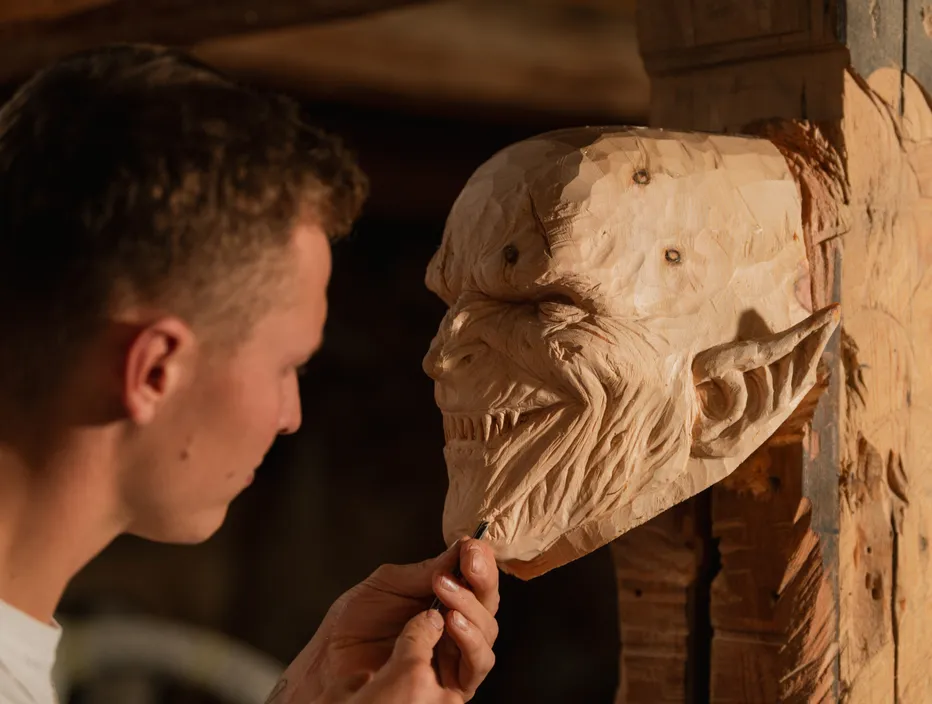
Yet before these terrifying figures march through the dark alleyways with the loud clanging of bells, focused silence reigns in South Tyrol’s carving workshops. Here, working under the name Sturgler Masken, David Puner carves extraordinary one-of-a-kind pieces from local Swiss pine (Zirbenholz) that have long been turning heads far beyond South Tyrol.

Word of his craftsmanship has spread: today, Sturgler Masken are in huge demand worldwide. Krampus groups, heritage associations, and collectors from across the entire Alpine region and far beyond value the uncompromising quality and vivid expressiveness of his work.

A Wood with Character: Swiss Pine


Everything begins in the forest. Anyone wishing to carve a traditional Krampus mask needs a material soft enough for the finest details, yet sturdy enough to withstand wild runs through the streets. In the Dolomites, the choice has always fallen on Swiss pine – the "Queen of the Alps." As it is worked, its pale, warm wood releases an unmistakable, calming scent of resin and high mountains—a fascinating contrast to the gruesome faces soon to emerge from it.

Stroke by Stroke to a One-of-a-Kind Piece

Watching a mask carver over the shoulder quickly reveals that this craft knows no rush. It is slow living in action, where every single cut must count.
 

  • The rough shape: Using a chainsaw, the massive block of wood is first hollowed out and sculpted into its basic facial contours.
     
  • The facial expression: Finer chisels and gouges follow. With a keen sense for anatomy and expression, the carver works out deep wrinkles, heavy brows, and bared teeth. Each face takes on its own wild, unmistakable character.
     
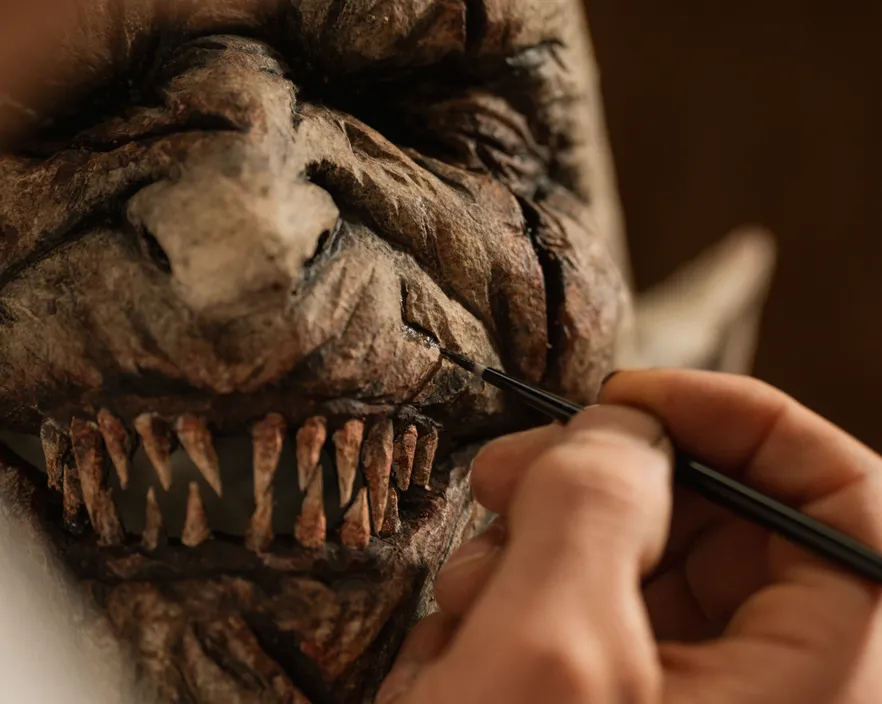
  • Color and life: Once the wood is sanded smooth, the craftsman picks up the brush. Multiple layers of oil or acrylic paints are applied, shading is added, and the wood is patinated—until the mask almost seems to come alive.

Horns, Fur, and True Passion

Finally, the mask is brought to completion. Genuine horns from ibex, rams, or goats are fitted and bolted into place. A collar of long-haired goat or sheepskin along with soft interior padding ultimately makes the work of art wearable.
Up to 40 or 50 hours of work go into a single piece. No two masks are ever alike; none ever comes from a machine.

Living Tradition in Rhythm with Nature

A Krampus run in the villages around the Dolomites is far more than just a spooky spectacle. It is the living result of a craft passed down from generation to generation. It shows how deeply the people of the Dolomites are rooted in their nature and history—and how a quiet block of Swiss pine becomes a piece of living culture that sends shivers down our spines year after year.

More Stories from the Slow Dolomites

Hiking tips, encounters, and moments of indulgence from Val di Funes and Luson – slow, authentic, and with an eye for what truly matters.

Almabtrieb – A Celebration of Tradition

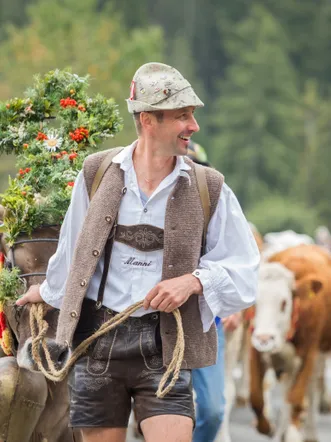
When summer bids farewell and the first cool nights settle over the alpine pastures, one of the oldest rituals of the mountain world begins: the cattle drive. Decorated cows, jingling bells and the scent of autumn in the air – a celebration that has honoured the bond between people, animals and mountains for generations.

10.09.2026